Anaïs and Nick's Wedding: What Happens When a Couple Owns Their Vision
When Anaïs posted on Instagram that she was looking for a wedding planner, I didn't hesitate. I knew her work—her eye, her intentionality, the way she thinks about design. I saw immediately that this was someone who had a clear vision and needed a partner who would protect it, not rewrite it.
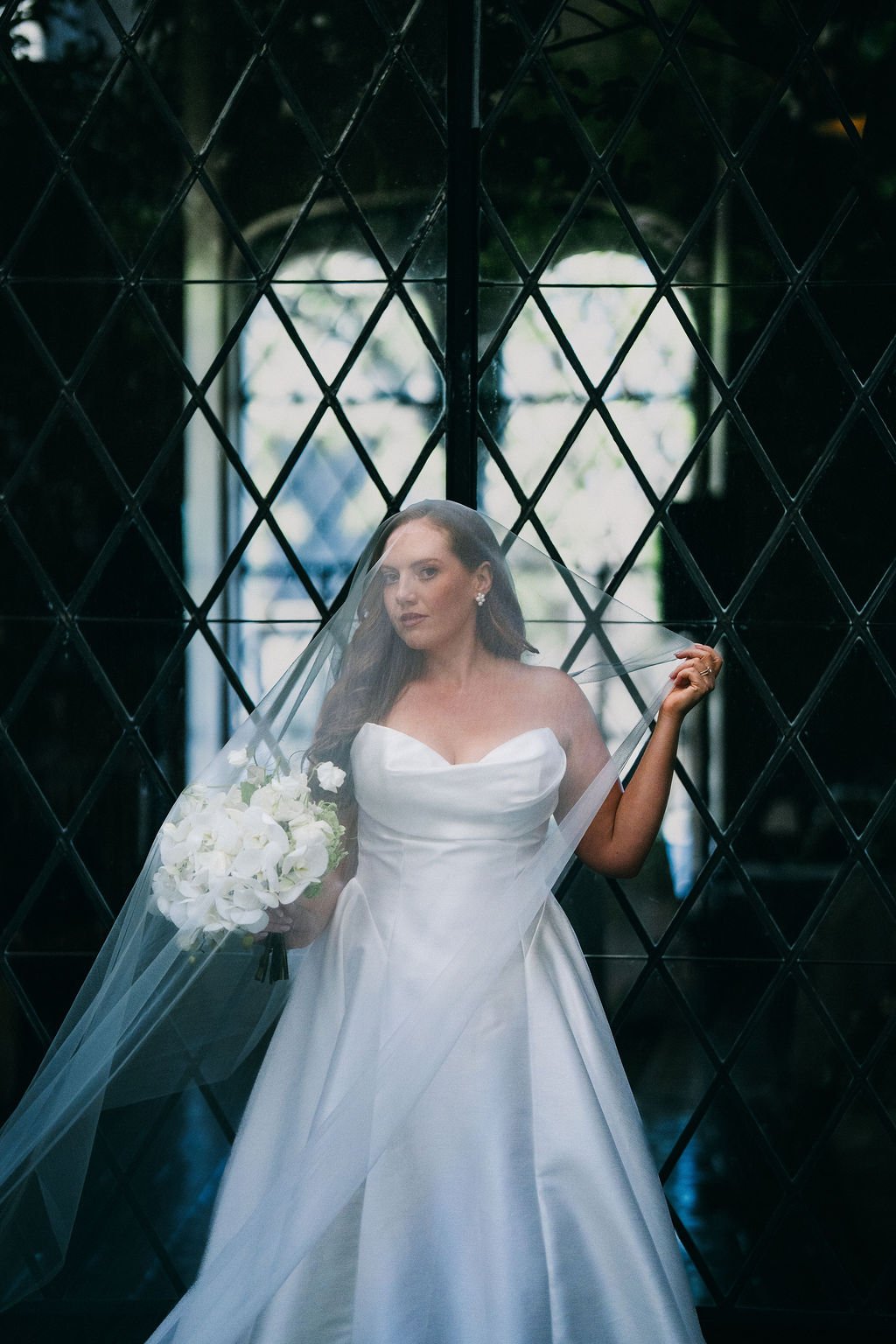
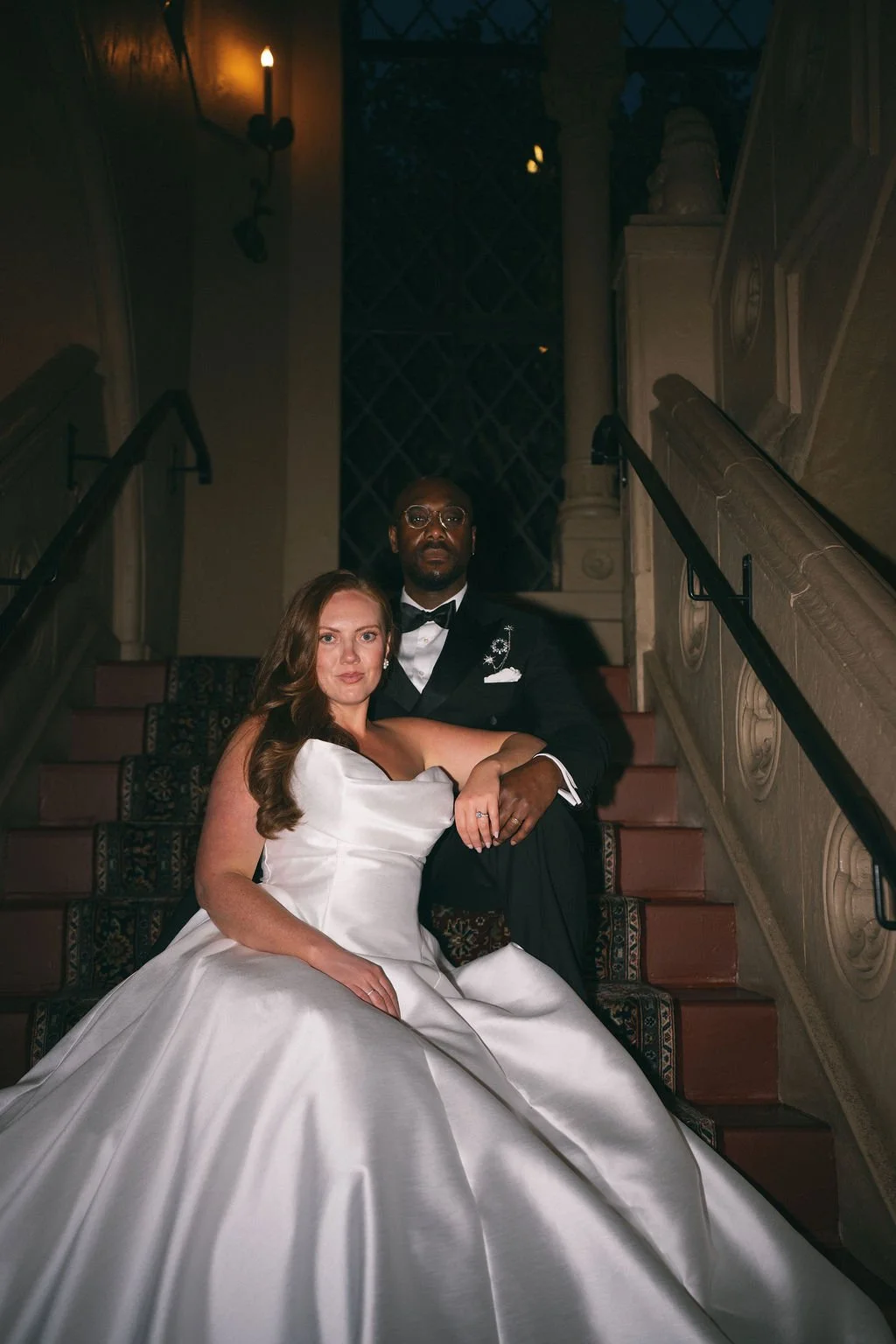
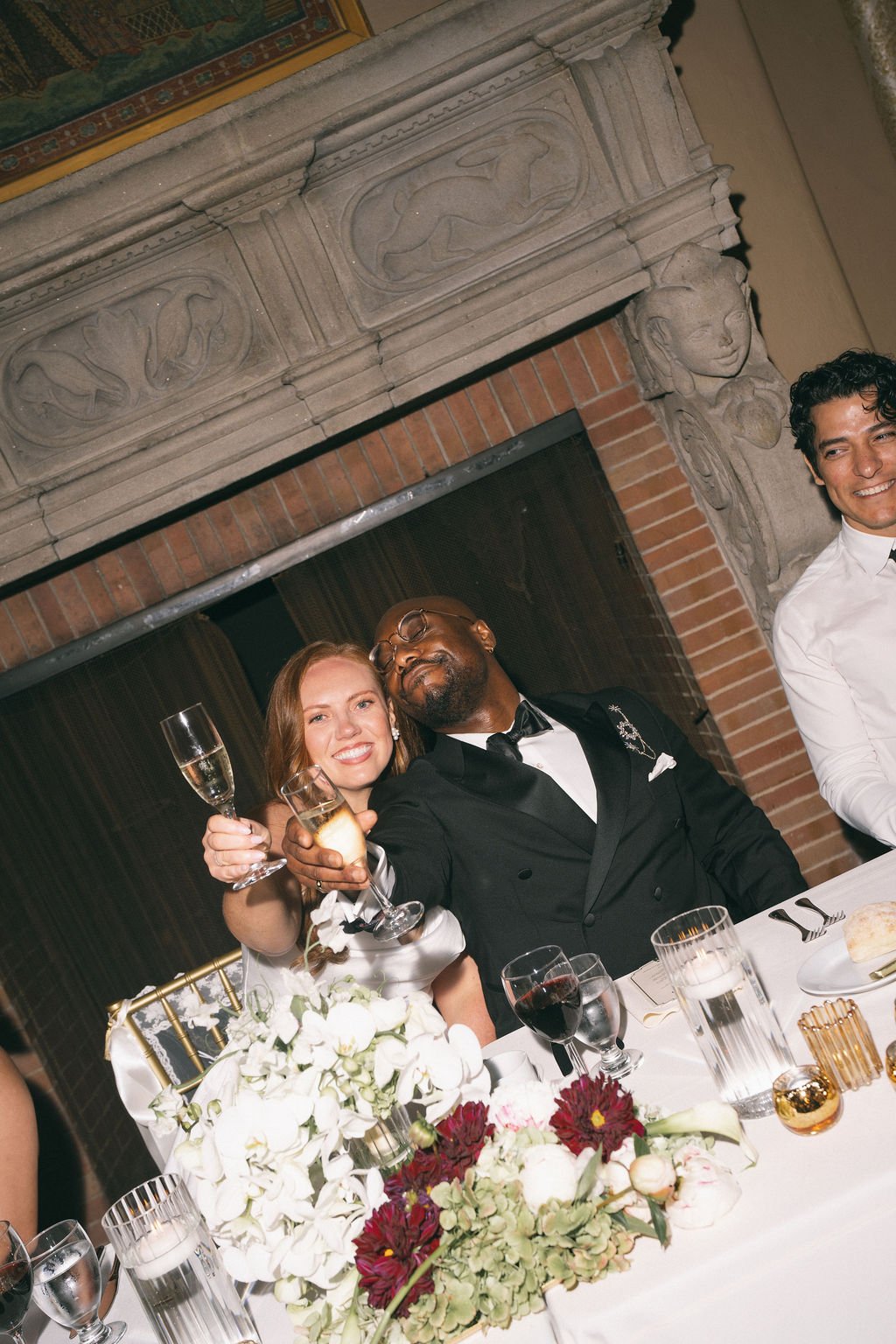
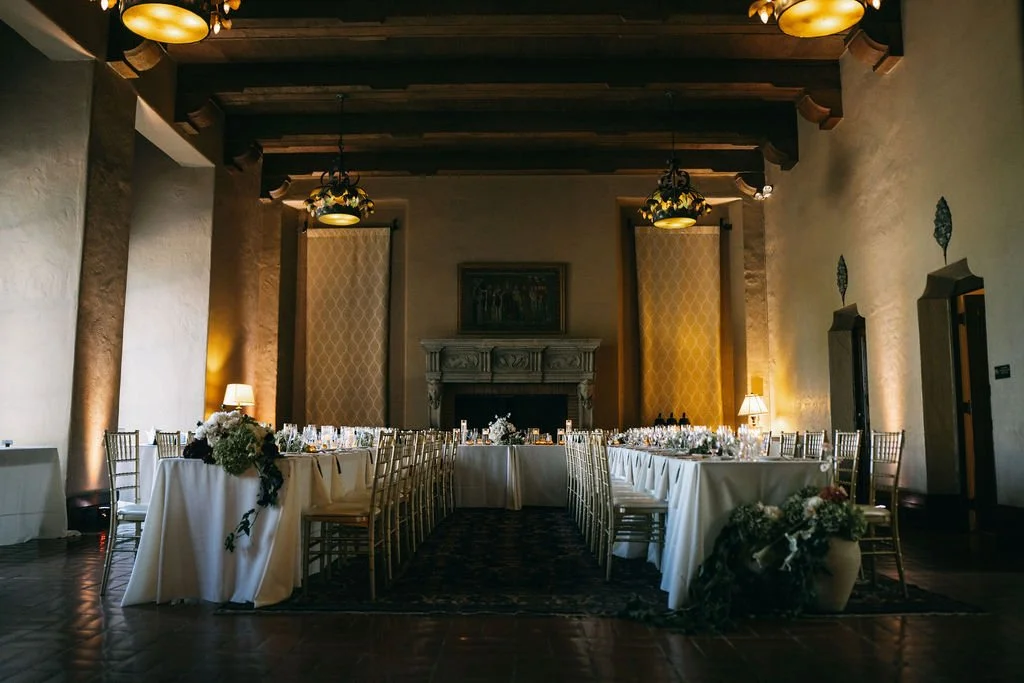
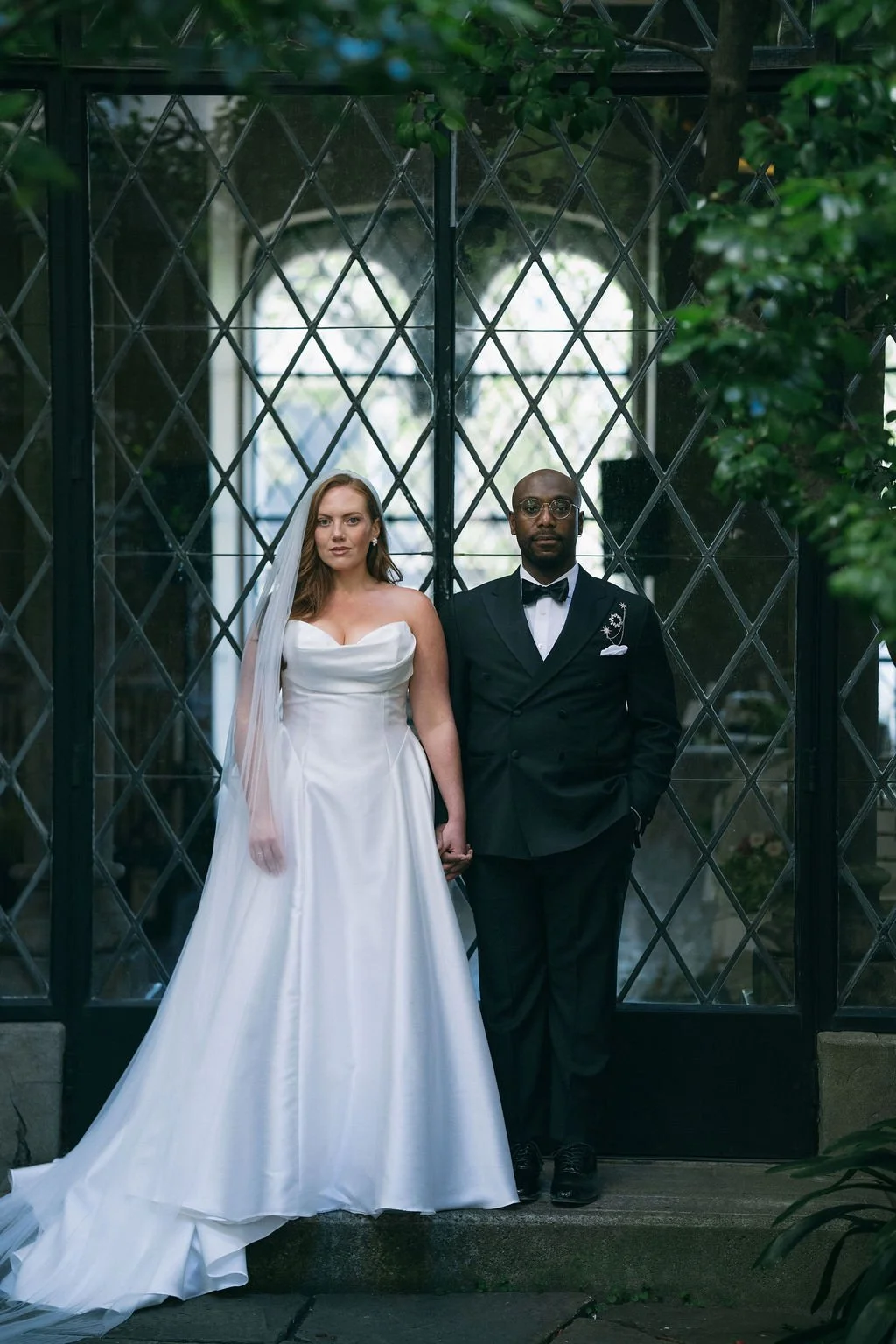
What I didn't know yet was that our planning process together would become a masterclass in what it looks like when a couple truly owns their wedding, and when a planner's job is to be a fierce advocate and a meticulous executor—not the creator.
This is Anaïs and Nick's story. And it's a blueprint for what I believe planning should be.
The First Meeting: Ownership
When Anaïs and Nick came into our first consultation, I opened our deck with a single slide that said: Ownership.
Anaïs had told me in our pre-meeting conversations that she was struggling with the planners she'd met. They were saying no to her ideas. They were creating obstacles instead of solving problems. They were treating her vision like something to be managed or redirected rather than something to be championed. She felt dismissed, not heard.
So the first thing I wanted her to know was this: You will maintain ownership of your wedding. I'm here to set smart boundaries where they're needed, to offer expertise where it matters, and to find solutions that work for both of us. But this is your wedding, and I'm working for you—and with you.
That landed. Because what Anaïs was looking for wasn't someone to take over. She was looking for someone to trust her.
The Welcome Venue Crisis: When Advocacy Matters
Three months into planning, we visited the restaurant that was supposed to host Anaïs and Nick's welcome party the night before the wedding. They'd already sent money. They'd already had email conversations with the owner. They'd even messaged that morning to say they were coming to visit—just to have lunch, walk the space, and get a feel for the place.
When we got there, the owner was dismissive. Cold. She barely acknowledged Anaïs's questions, didn't engage with what was being asked, and made it clear she wasn't interested in this interaction.
When we left, Anaïs was shaken. Not just disappointed—shaken. She felt dismissed in her own wedding planning. And in that moment, I had a choice: I could tell her, "It's fine, we'll make it work, we'll design around it," or I could tell her the truth.
I told her the truth.
I shared my own wedding story—how I switched my venue midway through planning because I fell out of love with the place I'd chosen. And how the relief I felt was immediate. Because here's something the wedding industry doesn't like to talk about: it is exponentially less expensive to choose a new venue you're genuinely excited about than it is to pay a designer to fix a venue you're not excited about.
Financially, emotionally, and creatively, switching is the smarter choice.
Anaïs switched. She used that deposit toward a birthday party for herself later that year, and we pivoted to Mercado 925—a modern Mexican restaurant in West Berkeley that had been an option from the beginning. And the moment we walked in, we both knew it was the right call.
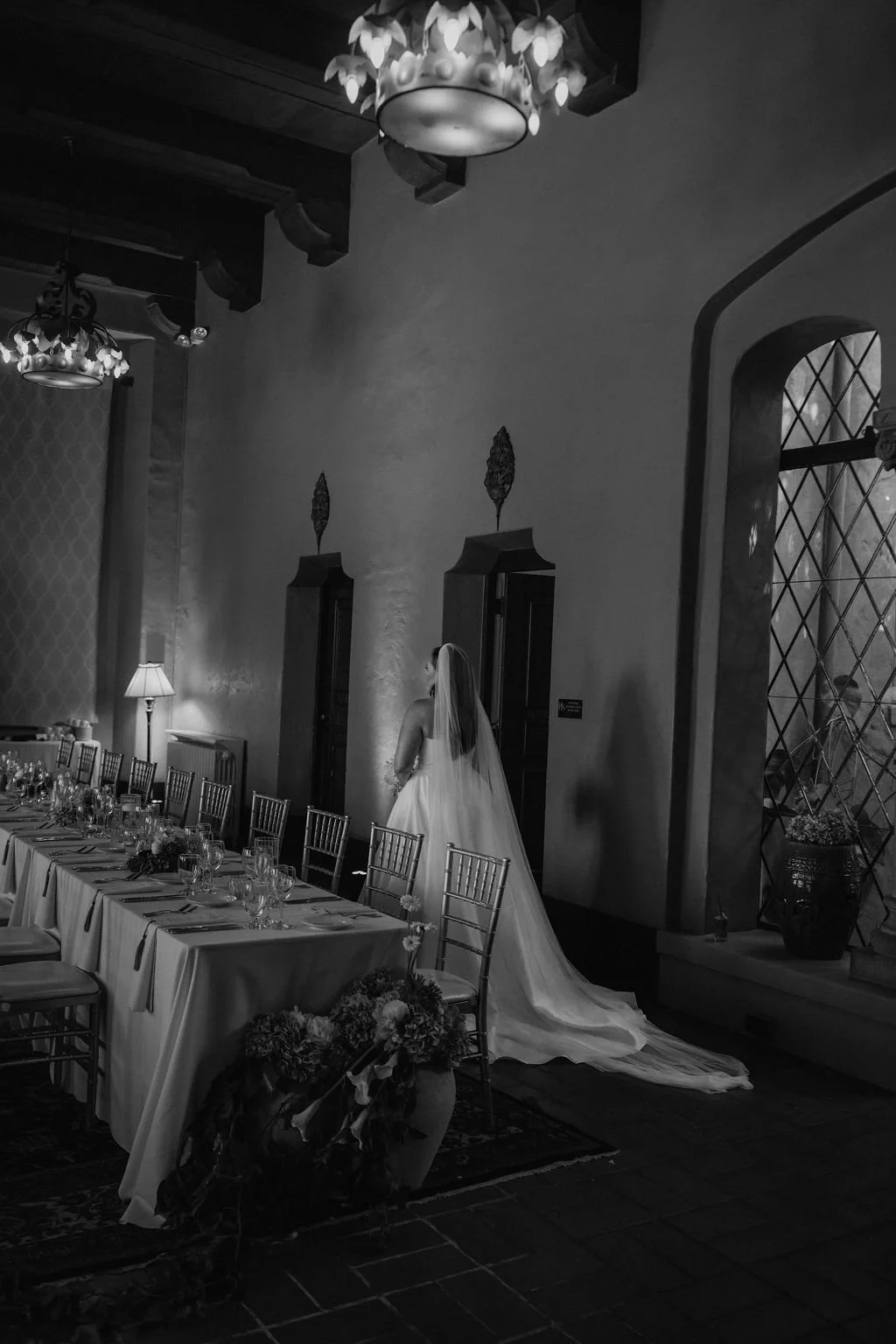
Mercado 925 had a Mediterranean vibe, lush greenery, and a Mary statue in the market space that echoed a Mary statue in the drawing room where they'd have their reception at Berkeley City Club. The visual language connected. It felt intentional, not like a backup plan.
But here's what mattered most: Anaïs got to make that choice. She wasn't steamrolled into accepting a situation that made her feel small. And that's what ownership looks like in practice.
The Meticulous Preparation: Site Visits and Creative Problem-Solving
Once we knew the welcome venue, the main venue, and the after-party locations, the real work began. And it looked like this: site visits. Multiple ones. Together.
We went to Berkeley City Club repeatedly—not to design or decorate, but to solve problems before they became problems. To walk every vendor through what they'd need to know. To measure doorways. To understand light. To identify constraints.
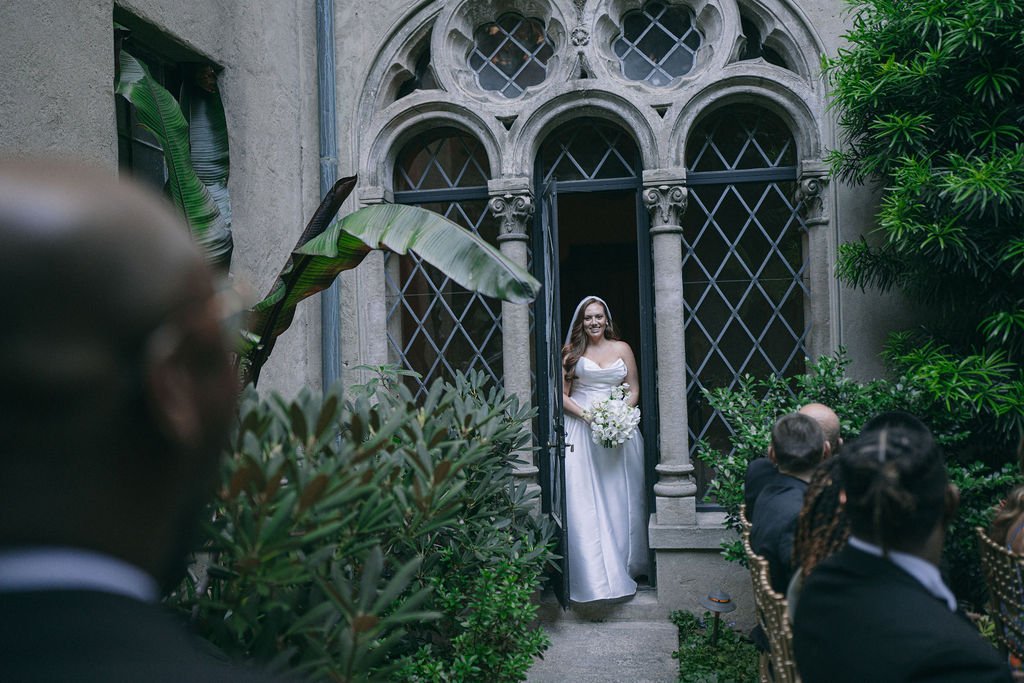
Which is how we discovered that the harp Anaïs and Nick had selected for their ceremony was too large to fit through the entry doors into the East Courtyard.
In another planning scenario, this becomes a disaster. Or a compromise that nobody's happy with. But Anaïs had a clear vision for what she wanted—live music as they walked down the aisle, something that sounded a certain way, that felt a certain way. And my job was to find a solution that honored that vision, not abandon it.
We sourced a smaller lever harp. We found a musician who could play it beautifully. And we confirmed that the sound—the acoustic quality, the emotional resonance—was similar enough to what Anaïs and Nick had originally imagined that they were genuinely excited about it.
That's the work that doesn't show up in photos. That's the work that made the day smooth instead of stressful.
During rehearsal, we went deeper. We worked out special moments—small gestures, pauses, movements—that could happen during the ceremony. And I coached Anaïs and Nick on how long to hold those moments, so that their photographer (the exceptional Emiliano) could actually capture them. Not rushed. Not accidental. Intentional moments, created on purpose, so that the photography would reflect what the day actually felt like.
Design as Personal Curation: When Anaïs Made Every Choice
Here's what surprised me, in the best way: Anaïs didn't outsource her vision. She curated it.
She designed her own stationery—cream card stock, botanical illustrations in muted tones, elegant serif typography. Not a template. Her actual vision, ordered custom, integrated across every touchpoint from save-the-date to place cards.
She sourced Berkeley Bowl produce herself the week of the wedding to add to the tablescapes. Not because the florist told her to. Because she had a specific idea about what the tables should feel like, and she went and found it.
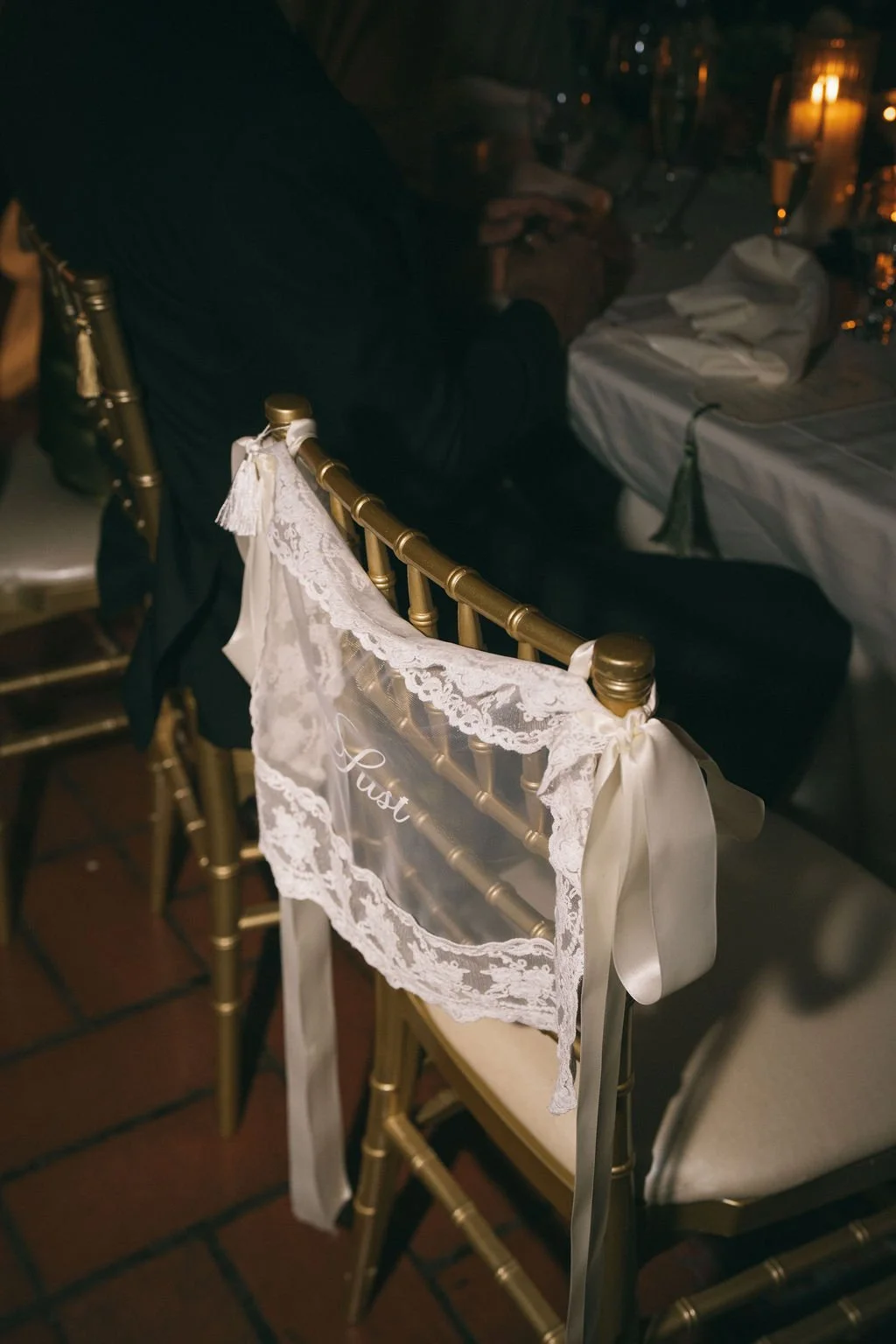
She designed custom place markers in the form of tassels instead of accepting the default option (little symbols—a cow for beef, a fish for seafood). That detail—tassels—ran through the whole event. It was her idea, executed her way.
The menu reflected her values. It wasn't just "nice food." It was thoughtfully balanced: fresh greens alongside heartier options, multiple vegetarian choices, intentional consideration of what her guests would actually want to eat. And then an ice cream bar—not as an afterthought, but as a moment of joy and play.
The music was curated, not just selected. Their DJ spun together Bay Area classics with nods to Anaïs's English heritage and Nick's Jamaican heritage. The soundtrack wasn't generic. It was theirs.
The ceremony script was written entirely by Anaïs. Not by me, not by the officiant, not by some template. Her words. The officiant and I edited for clarity and flow, but the vision, the values, the way she wanted to frame their marriage in the context of their community—that was hers.
And the guest list itself was a statement. Anaïs and Nick had only two family members each at the wedding. Not because of estrangement or conflict, but because their actual family—the people who matter most—are the friends they've collected along their journey. From DC to Savannah to the Bay Area. The people who've walked alongside them. That's who they wanted in the room.
Every single choice was intentional. And my job was to make sure those choices worked together, not against each other. To execute them cleanly. To solve problems so that her vision could actually live.
The Real Moments: Late to Portraits and Taco Bell
Anaïs had a little too much fun at her own welcome party. She was about an hour late to the start of portraits the next morning.
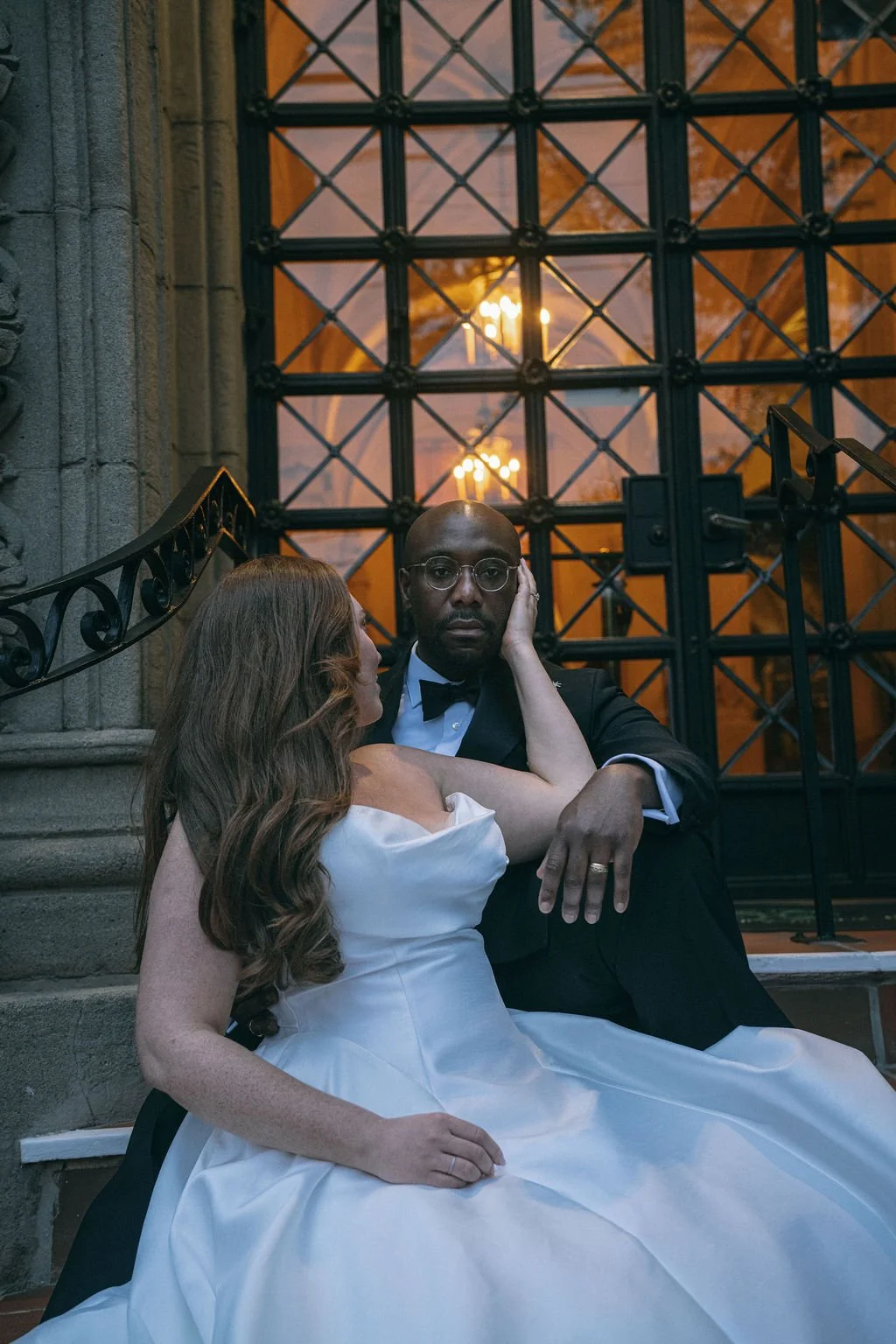
In the world of wedding planning, this is often treated as a crisis. But Berkeley City Club—the venue, the team, the culture of the place—was flexible. They welcomed Anaïs and Nick back to do additional portrait sessions. Which meant that instead of rushed photos before the day started, they got expansive, unhurried portrait time when Anaïs was relaxed and genuinely happy.
That's also planning. That's building relationships with venues and vendors who understand that real celebrations sometimes run late, and that's okay.
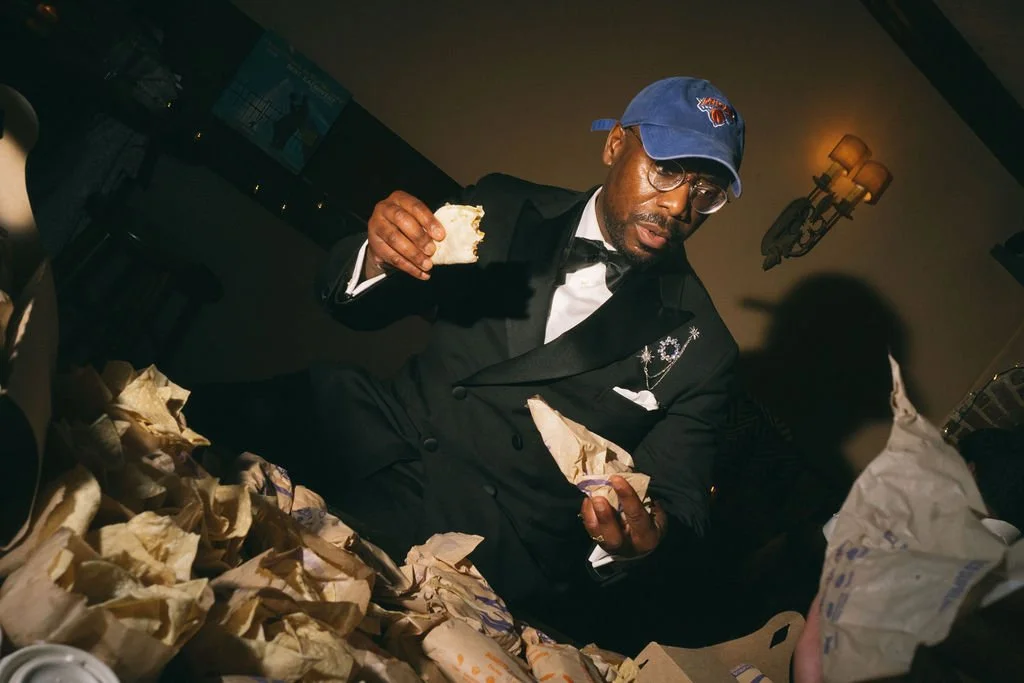
And at the after-party on Sunday—the wine and cheese farewell at Tupper and Reed—we delivered Taco Bell. Not because it was fancy. Because it's what Anaïs and Nick actually wanted.
The whole weekend reflected who they are. Not some idealized version. Them.
What This Says About Partnership
So here's what I want couples to understand about how we work:
When you come to me with a clear vision, my job is not to improve it or redirect it. My job is to champion it. To ask hard questions so that your choices are actually aligned with your values. To solve problems so that your vision can live. To be meticulous about the details that support what you're trying to do.
I'm doggedly on your team. I'm working for you, but also with you. We should both come away proud of the work—because it's your work, and my job was to make sure it got executed the way you imagined.
This doesn't mean anything goes. It means I'll tell you when something might not work. I'll offer expertise. I'll suggest solutions. But I won't say no without offering yes as an alternative.
And if you fall out of love with a choice you've made—a venue, a vendor, a direction—I'll give you permission to change course, not permission to resign yourself to something that makes you feel small.
Anaïs knew what she wanted. She had a vision. She was thoughtful and intentional about every choice. What she needed was a planner who would get out of the way and let her do that—while handling all the logistics, vendor coordination, and problem-solving that made it possible.
That's what we do. That's what I believe planning should be.
If This Resonates With You
f you're getting married and you know what you want, but you're worried that a planner will talk you out of it or try to "improve" your ideas, let's talk.
We specialize in working with couples who have a clear vision and need expert execution, not creative direction. We handle the meticulous details—vendor coordination, site visits, problem-solving, day-of logistics—so that your ideas can actually happen.
Our Paloma tier ($8,500) includes design consulting, vendor coordination, stationery and curation support, and day-of management. It's the level most thoughtful couples choose because it balances hands-on support with your own decision-making.
Ready to plan? Reach out to discuss your vision: natasha@parkerpalomaevents.com or book a consultation.
Tell us about what you want to create. We'll help you protect it.
Parker & Paloma Events is a Bay Area wedding planning and design studio specializing in full-service planning, supportive planning (Paloma tier), and wedding management. We work with couples who know who they are, and we specialize in making sure their weddings reflect that.
The full gallery from Anaïs and Nick's wedding—photographed by Emiliano—is available in our portfolio. Venue: Berkeley City Club. Welcome party: Mercado 925.